Designing and Building the Front End of an HR SaaS Platform
Project Summary
★ Took ownership of product design and front-end development
★ Built reusable front-end architecture from the ground up
★ Turned loose stakeholder requirements into working product features
★ Helped take Zoope from an underdeveloped concept to a launched SaaS platform
Role:
Product Designer & Front-end Developer
Industry:
SaaS / HR Tech
Responsibilities:
Product Design, UX, UI Design, Front-end Architecture, Front-end Development
Technology:
HTML, CSS, jQuery, Bootstrap
Focus:
Product UX, Feature Design, Reusable Front-end Architecture, Stakeholder Collaboration
Zoope was an HR and workforce management platform designed to bring together employee information, team collaboration, calendars, tasks, documents and internal communication in one place.
I joined Exeva part way through the project, when the product direction had already started to take shape but much of the front-end and user experience was still underdeveloped. I took ownership of the product design and front-end development, helping turn an early concept into a fully functioning SaaS platform.
Overview
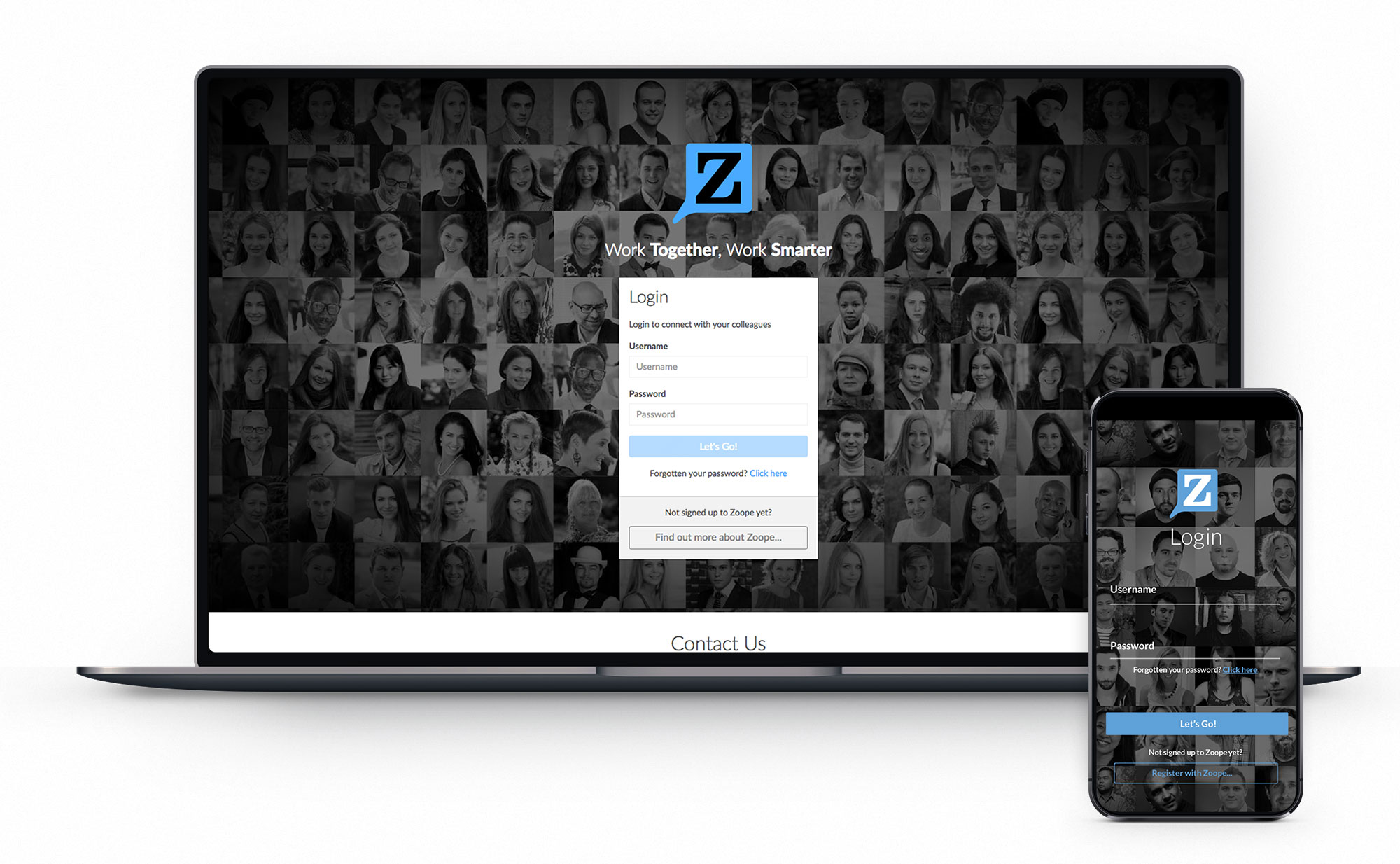
Zoope was created as an all-in-one HR and team management platform.
The product brought together everyday tools such as staff directories, calendars, teams, tasks, document management, company information and reports, alongside HR functionality including holiday requests, sick leave, job details and employee records.
When I joined the project, some initial designs and ideas already existed, but there was very little front-end structure behind them. My role quickly grew into taking ownership of both the product experience and the front-end implementation.
The Challenge
The biggest challenge wasn’t a lack of ideas. It was having too many.
The original vision was for Zoope to become an all-singing, all-dancing platform capable of handling almost every aspect of HR, communication and team management.
While ambitious, trying to build everything at once risked creating a complicated product without a clear focus.
Part of my role was therefore to challenge requirements as well as design them. I worked with the director and wider stakeholders to identify the core journeys that would provide the most value, while keeping the platform simple enough for people to use every day.
At the same time, I inherited a partially developed product that needed a clearer design direction and a much stronger front-end foundation.
Key Challenges
- Controlling product scope
Balancing stakeholder ambition with the need to focus on a smaller set of features that could genuinely stand out. - Designing a complex SaaS product
Bringing HR, collaboration, scheduling and company information together without creating an overwhelming experience. - Building structure into an existing concept
Taking a partially formed product and creating consistency across its user journeys, layouts and components. - Bridging product and development
Turning loose business requirements into designs and production-ready front-end code the development team could work with.
My Approach
Requirements often started as relatively loose ideas from the director or other stakeholders.
My role was to take those requirements away, research how similar products approached the problem and explore different ways the journey could work within Zoope.
From there, I would map out user journeys, create wireframes and develop interface concepts before bringing them back into collaborative design sessions.
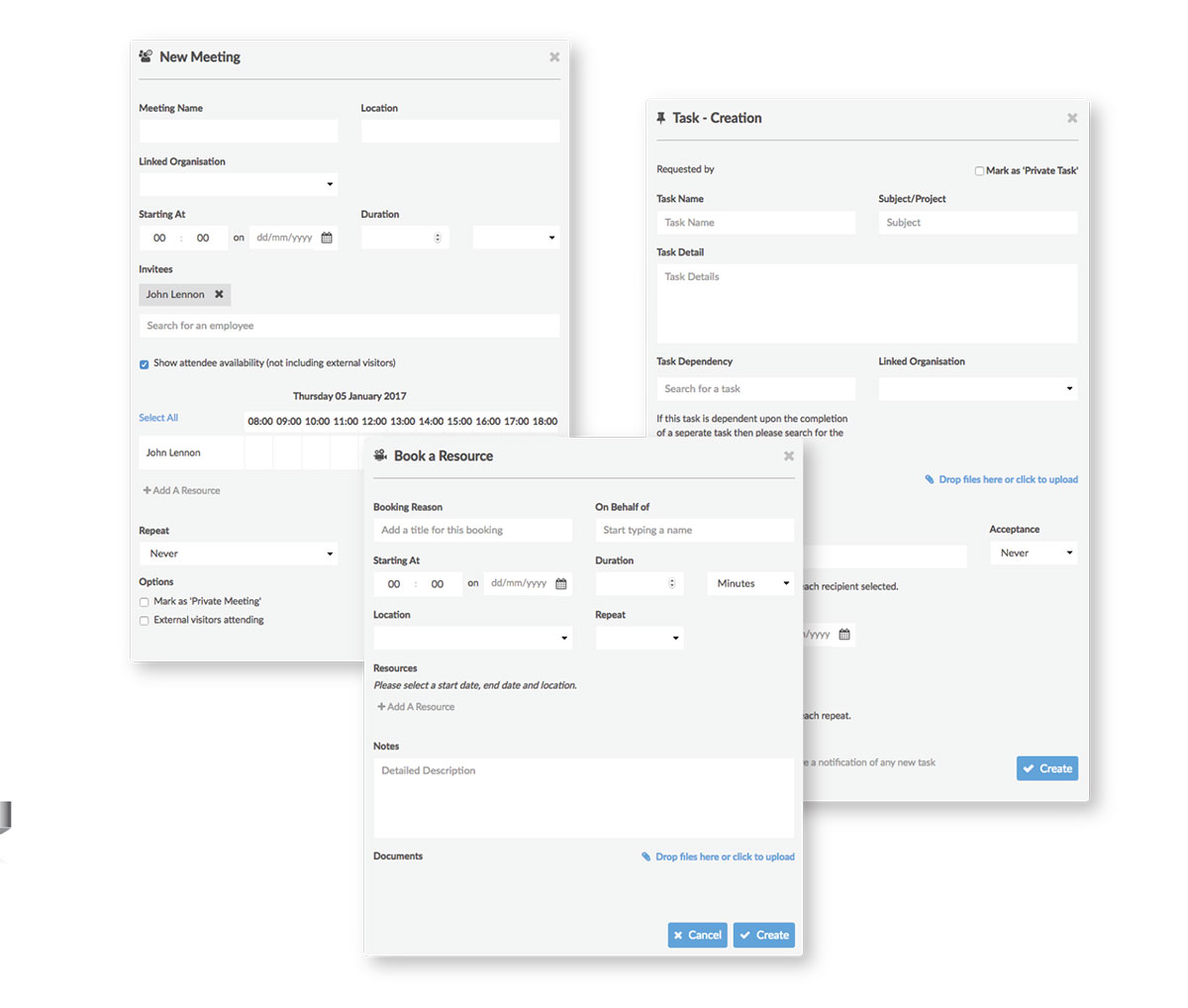
One part of the process I particularly enjoyed was working directly with stakeholders in design sprints. Rather than disappearing for weeks and returning with a finished design, I could work through variations live, explain the thinking behind them and make changes while everyone was in the room.
This helped us make decisions quickly and gave stakeholders a much clearer understanding of how individual requirements would affect the wider product.
The Solution
As the product developed, Zoope became a central workspace where employees could manage both their day-to-day work and their relationship with the wider business.
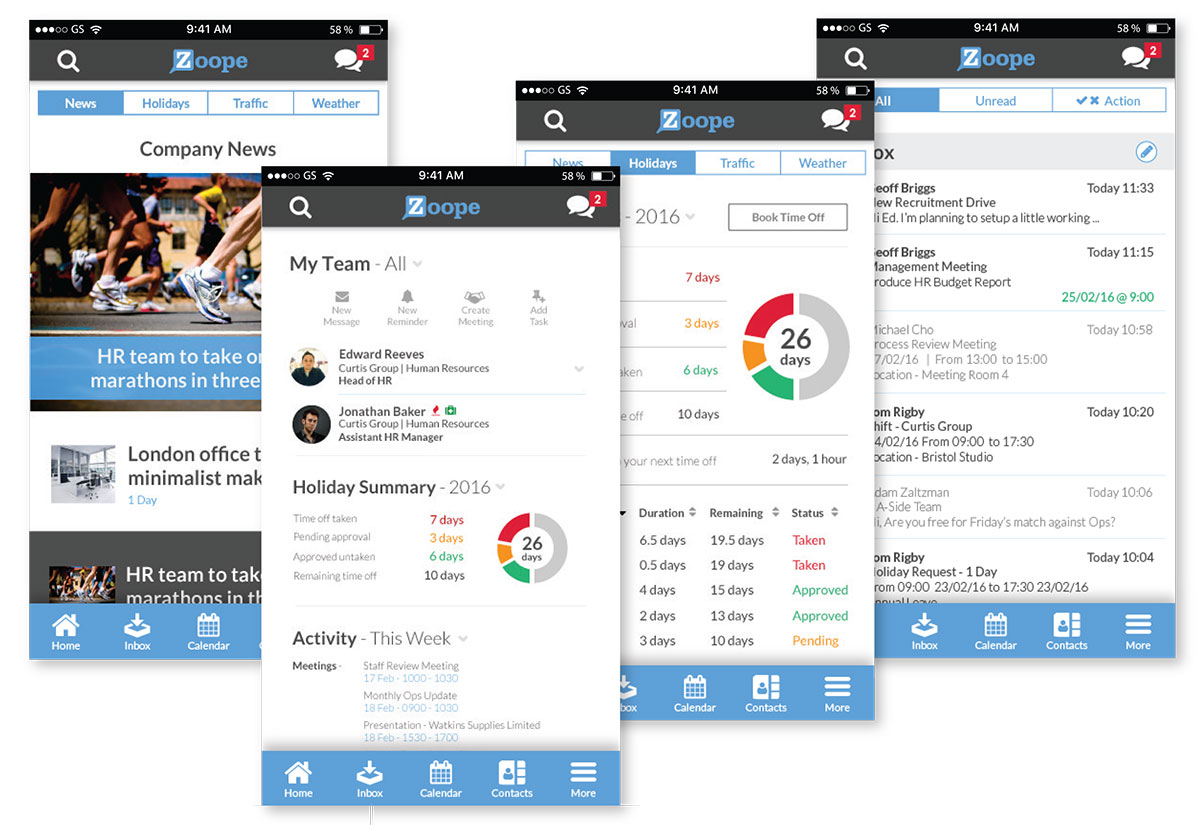
Core areas included:
- Staff directory
- Teams and team management
- Shared calendars and schedules
- Tasks
- Internal messaging and inbox
- Document library
- Company information
- Employee and job information
- Holiday booking and absence
- Reporting
A major part of my work was making these different areas feel like one connected product rather than a collection of individual features.
Navigation, page layouts and interaction patterns were designed consistently so that once users understood one part of the platform, the rest felt familiar.
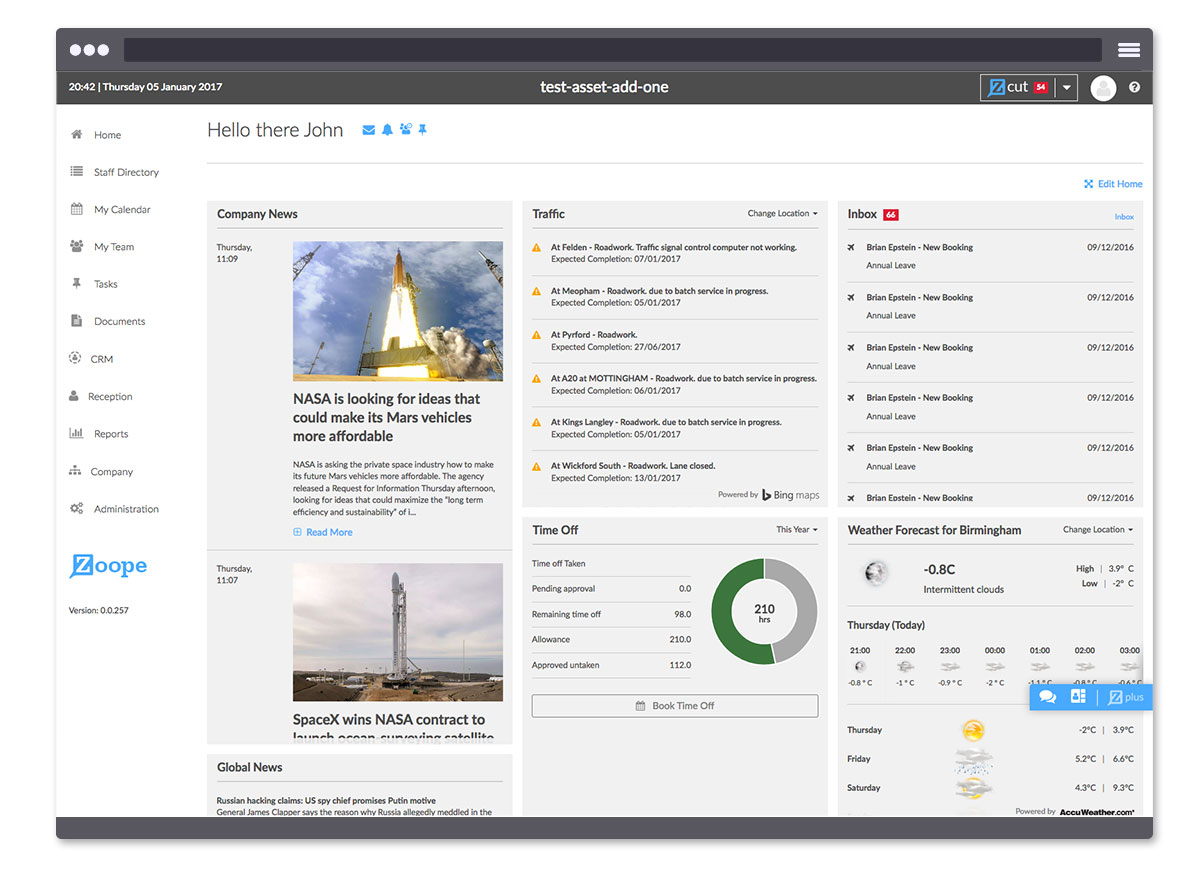
Front-end Architecture & Development
Alongside the product design, I built the front end of Zoope using HTML, CSS, jQuery and Bootstrap.
Rather than building every screen independently, I created reusable layouts, components and front-end patterns that could be used throughout the application.
This gave the product a much more consistent structure and made it easier for the development team to integrate the front end with the underlying application.
Because I was responsible for both the design and implementation, I could make decisions with a clear understanding of how they would work in the browser rather than treating development as a separate handover stage.
I continued working closely with the development team as features were integrated, making adjustments where necessary and helping maintain consistency as the platform grew.
Working With Stakeholders
Zoope was a highly collaborative project. I worked directly with the company director, key stakeholders and the development team throughout the process.
Stakeholders would bring requirements and ideas to the table, but my role wasn’t simply to turn every request into another feature. I often had to question whether something genuinely improved the product or whether it risked adding unnecessary complexity.
That meant balancing commercial ambition with user experience and technical reality, while keeping the product focused on the areas where it could provide the most value.
More Than the Product
My involvement with Zoope also extended beyond the application itself.
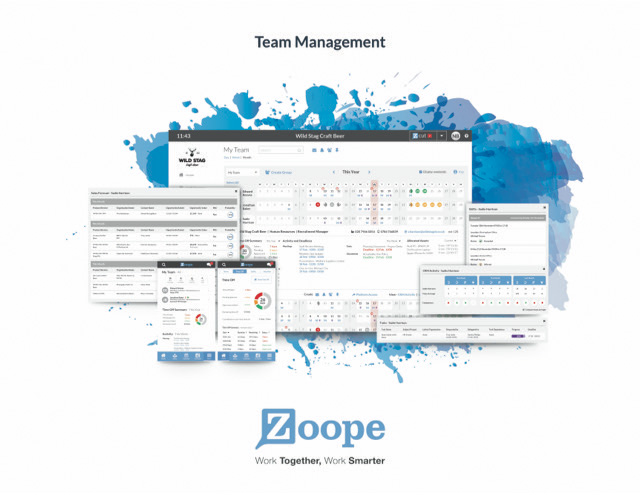
I developed the visual identity and corporate brand guidelines for the business, helping create a consistent identity across both the product and wider company communications.
Although product design and front-end development became my main focus, working across both the brand and application helped create a more consistent experience from the company website through to the product itself.
The Outcome
By the end of my time at Exeva, Zoope had moved from a loosely defined concept with limited front-end structure to a fully designed and functioning SaaS platform.
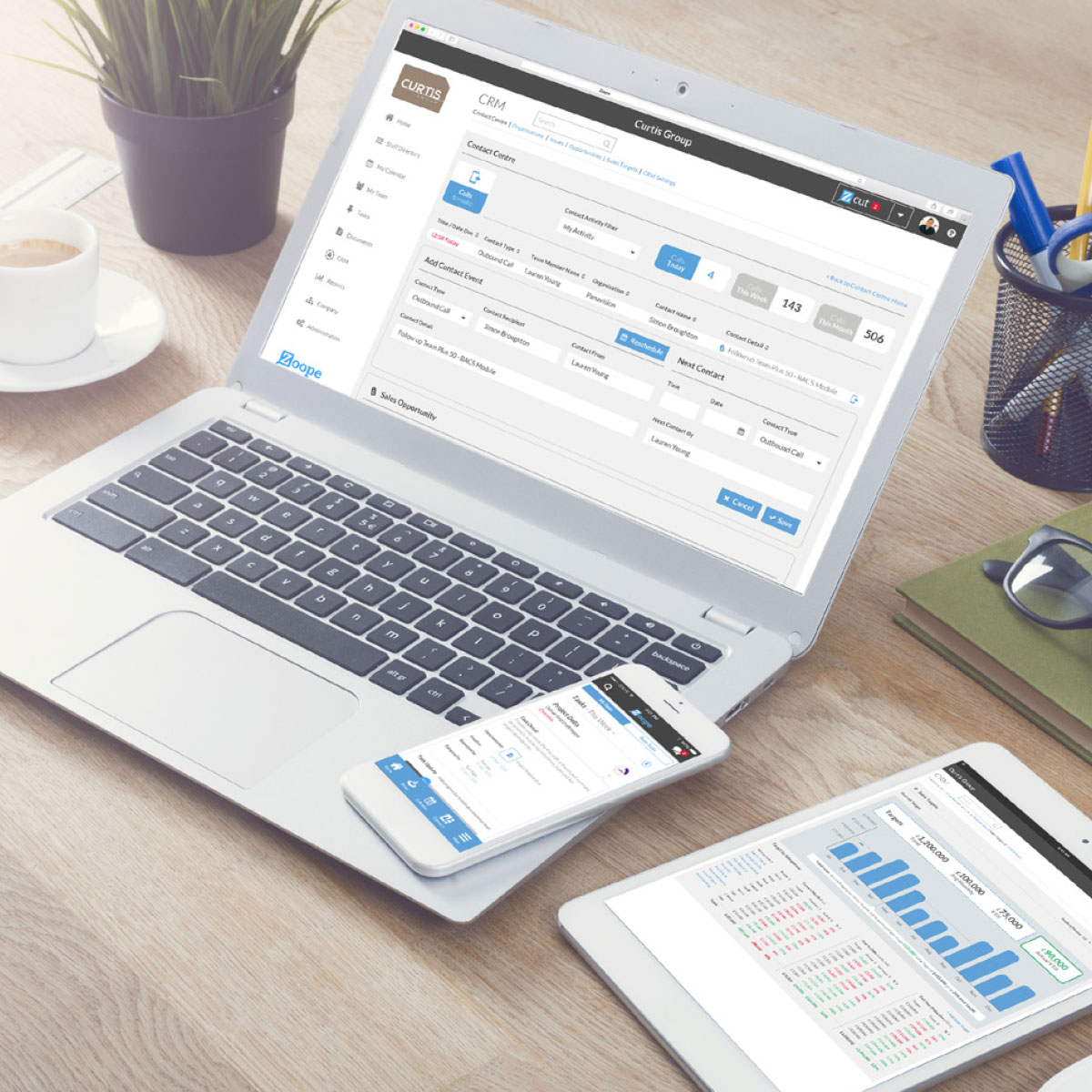
The core product experience, reusable front-end architecture and major feature journeys were in place, providing the development team with a much stronger foundation to continue building from.
Zoope went on to launch shortly after I left the company.
What I’m Most Proud Of
What I’m most proud of with Zoope is the ownership I was able to take.
I joined a partially developed product that lacked structure and helped turn it into something far more complete, both from a product and technical perspective.
I was involved in shaping features, challenging scope, researching solutions, designing the journeys, working directly with stakeholders and then building the front-end architecture that brought those ideas to life.
That experience taught me a lot about working between product, business and engineering, and it’s still a big part of how I approach digital products today.